Original or Reproduction?

Original trace monoprint with watercolor
It can be a bit puzzling, but here's the scoop: 'print' can actually refer to both original works of art and reproductions. Back in the day, when I was just starting out as an artist, 'print' strictly meant hand-pulled originals like etchings or linocuts, while reproductions were often dubbed 'posters' and made using offset printing.
Then along came giclee printing in the late '80s, shaking things up in the art world. Essentially fancy ink-jet prints using archival paper and pigment-based inks, giclees are typically signed and numbered as limited editions. Thanks to digital tech, their image quality surpasses the posters of yesteryear by a mile. With top-notch print and paper quality, plus limited production, giclees are perceived as having higher value—although they're still reproductions, not originals.
You might have come across terms such as 'art print' and 'fine art print,' which also generally denote digital reproductions.

Original trace monoprint with watercolor
An 'original' print, on the other hand, is a piece of art crafted by hand by the artist. Examples include monoprints, etchings, woodblock prints, linocut prints, and screen prints. While these are often produced in editions of multiple prints of the same image, each print remains a unique original work of art, directly crafted by the artist.
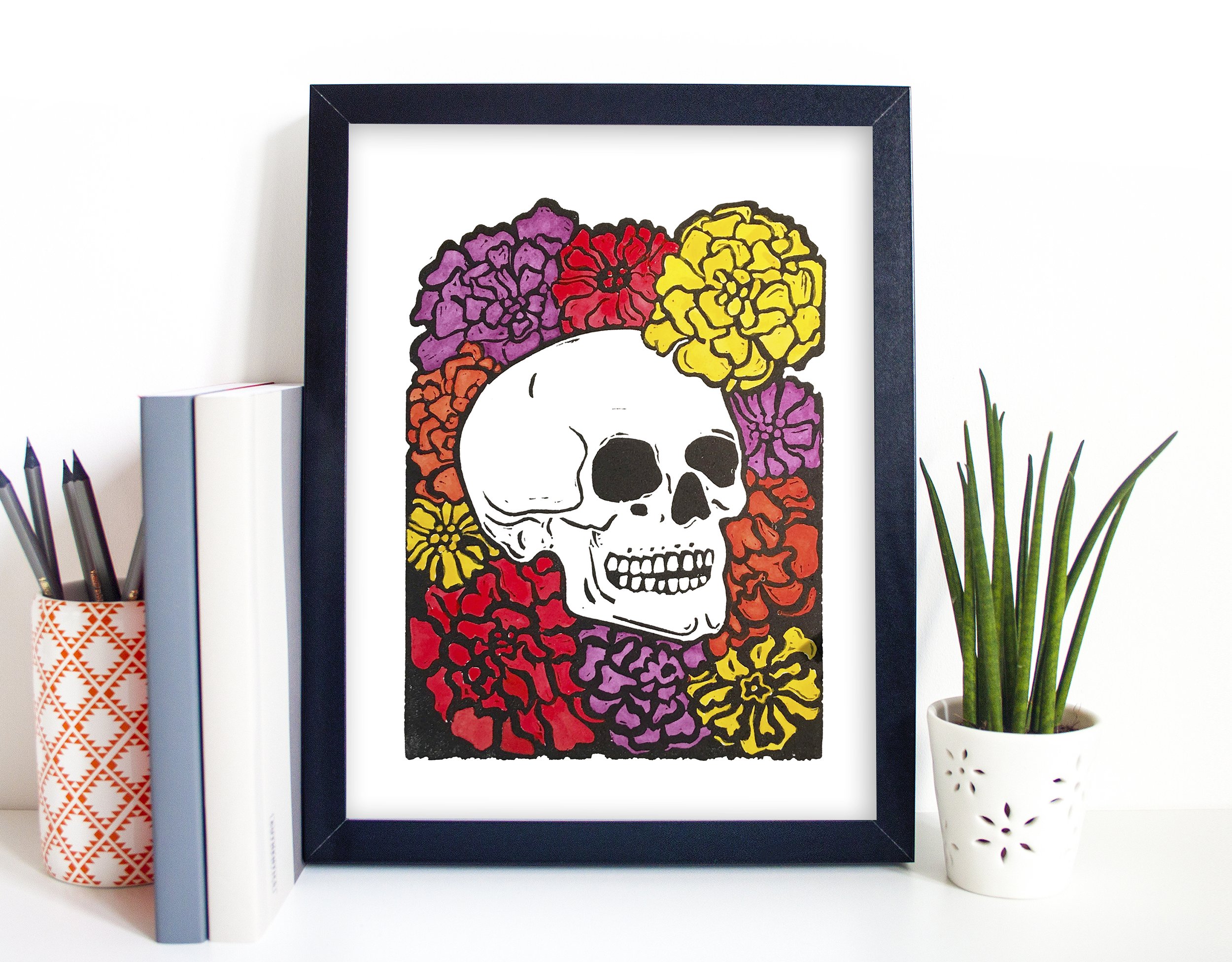
Hand-painted linoleum block print
So, if you find yourself drawn to an artist’s prints at a gallery or art fair, don't hesitate to inquire about their process and production methods. They will likely appreciate your interest and be eager to share insights into their work, enriching your appreciation of their art.